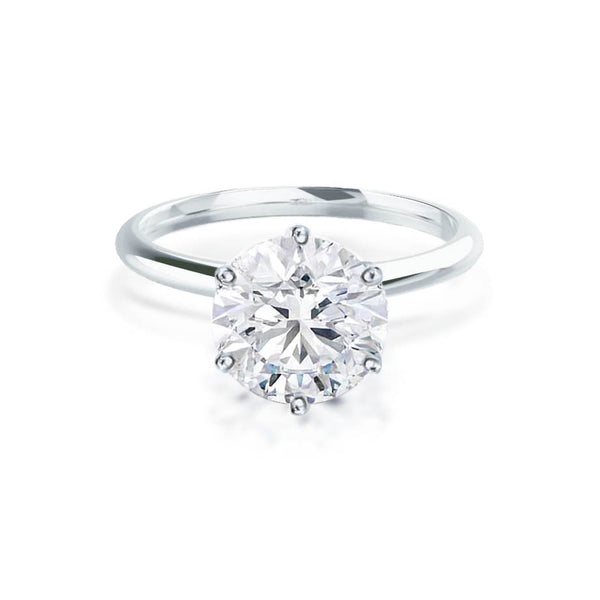
In a world constantly evolving with trends and innovation, there is an undeniable attraction to products that embody elegant simplicity. From sleek designs in technology to minimalist fashion statements, the appeal of simplicity has transcended across industries. One brand that has successfully captured this concept is Lily Arkwright, offering collections that balance luxury with understated grace. But what makes elegant simplicity such an enduring trend, and why does it continue to captivate the attention of new buyers? The answer lies in the growing appreciation for sophistication without excess, where less truly becomes more.
At the heart of this trend is a desire for authenticity and refinement. Today’s consumers are becoming more discerning, seeking products that not only serve their functional purpose but also reflect a lifestyle of elegance. In many ways, the attraction to elegant simplicity is a response to the overstimulation of modern life. With technology and design often becoming more complex and intricate, there is a collective longing for clean, unembellished beauty. This preference is visible in the shift towards streamlined designs and minimalist aesthetics, which evoke a sense of calm and clarity in a cluttered world.
Elegant simplicity allows buyers to make a statement without being over-the-top. It is in the quiet sophistication of a well-crafted object or a thoughtfully designed product that the true appeal lies. The minimalist style is often perceived as timeless, not confined to fleeting trends. It’s an aesthetic that doesn’t require constant updating to stay relevant. This longevity makes it an attractive choice for consumers looking for items that not only serve their purpose but continue to remain in style, year after year.
In luxury sectors, brands like Lily Arkwright have tapped into this desire for understated elegance. Known for their fine jewelry collections, Lily Arkwright champions the notion that luxury can be achieved without excessive ornamentation. By focusing on quality craftsmanship, clean lines, and the beauty of the materials themselves, Lily Arkwright’s pieces speak volumes in their simplicity. It is the restraint in design that makes these pieces both rare and desirable, appealing to a modern consumer base that values quality over quantity.
Another factor contributing to the rise of elegant simplicity is the growing emphasis on sustainability. As consumers become more environmentally conscious, they are gravitating toward products that are durable, functional, and timeless. The beauty of simplicity is that it tends to require fewer resources to produce and often leads to a longer product lifespan. High-quality, simple designs do not go out of style, thus reducing the need for frequent replacements. This eco-conscious mindset is particularly relevant in industries like fashion, home decor, and even technology, where buyers are beginning to favor sustainable choices over disposable trends.
Furthermore, the demand for elegant simplicity is closely linked to a desire for emotional connection. In a world full of mass-produced items, consumers are increasingly drawn to products that tell a story or offer a sense of uniqueness. Elegant simplicity often embodies the craftsmanship and care that go into creating something special. It’s about the experience of owning something that feels personal and meaningful, not just functional. Brands that emphasize this connection, like Lily Arkwright, resonate with buyers who appreciate the artistry behind each design and seek something that feels both intimate and timeless.
The appeal of elegant simplicity is also tied to its versatility. Simple designs can seamlessly integrate into various aspects of life, whether it’s a piece of jewelry, a home accessory, or a personal gadget. The beauty of minimalist styles is that they can be paired with virtually any other aesthetic, allowing for personalization without overwhelming one’s existing tastes or decor. This adaptability makes simple yet elegant designs a perfect choice for consumers looking for pieces that fit effortlessly into their daily routines.
In conclusion, the continued attraction of elegant simplicity is a testament to the timeless appeal of less-is-more design. As consumers become more mindful of what they purchase, they are drawn to products that offer quality, durability, and authenticity. Whether in luxury goods like those offered by Lily Arkwright or in other sectors, the shift towards minimalist elegance reflects a broader cultural movement toward appreciating substance over excess. As this trend continues to grow, it will undoubtedly shape the future of design, influencing everything from fashion to technology and beyond.


