Linen has a well-earned reputation as the fabric of choice for a Kentucky summer, breathable enough for a Derby afternoon and light enough for an outdoor reception in July. It’s also one of the least forgiving fabrics to alter, which is exactly why searches for expert tailors louisville ky spike every time the temperature climbs. A linen jacket that’s taken in without accounting for how the weave shifts under tension can pucker at the seam within a single wear, and a hem that isn’t pressed correctly can develop a crease line that never fully drops out. Getting linen alterations right takes a different level of care than working with wool or cotton blends. The fabric’s popularity spikes every year right around Derby season, when Louisville’s own signature event practically doubles as a linen fashion show, and shops see a corresponding rush of both new purchases and old favorites pulled out of storage needing a refresh.
Why Linen Behaves Differently Under a Needle
Linen is woven from flax fibers that are naturally stiffer and less elastic than cotton or wool, which means the fabric doesn’t ease into a new seam line the way most materials do. Pin it too tightly during a fitting and the finished alteration can pull at the stitch line the first time it’s worn; press it with too much heat and the natural texture flattens out permanently, losing the slightly nubby character that makes linen recognizable in the first place. The weave also shows every needle mark more visibly than a tighter cotton twill would, which means a shop working with linen needs to get the pinning right closer to the first attempt rather than relying on multiple passes to sneak up on the correct fit. Humidity plays a role too, since linen absorbs moisture differently than synthetic blends, and a garment altered on a dry day can sit slightly differently once Louisville’s summer humidity sets back in. Linen also wrinkles more readily than a synthetic blend, which isn’t a flaw so much as part of the fabric’s character, but it does mean a tailor has to account for how a garment will actually look after an hour of sitting rather than fresh off the pressing table.
What Separates Expert-Level Work From a Basic Hem
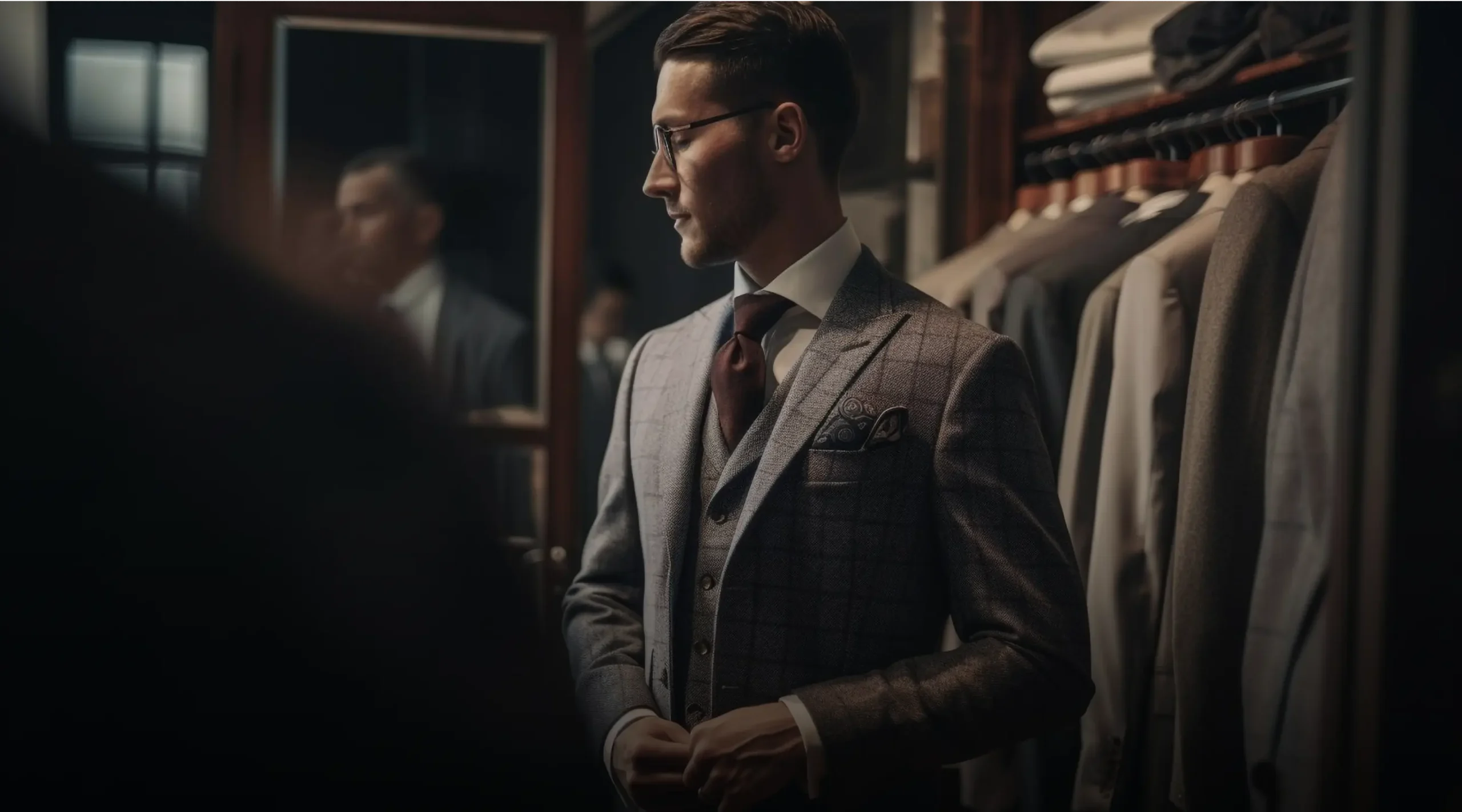
A shop that handles expert tailors louisville ky search results well tends to treat linen as its own category rather than defaulting to whatever process works for wool. That usually means a lighter touch with the iron, seam finishes that account for linen’s tendency to fray more than tighter weaves, and pressing techniques that preserve rather than flatten the fabric’s texture. It’s worth asking directly during a consultation whether a shop regularly works with linen specifically, rather than assuming any alterations counter can handle it the same way as a standard suit. A tailor who can speak specifically to how linen differs from wool in the fitting room, rather than giving a generic answer about hemming, is usually signaling real hands-on experience with the fabric rather than textbook familiarity. It’s also worth asking how a shop presses a finished linen alteration, since the wrong iron temperature or too much steam can leave a shine on the fabric surface that’s difficult to reverse once it’s happened.
Not Just Men’s Suits
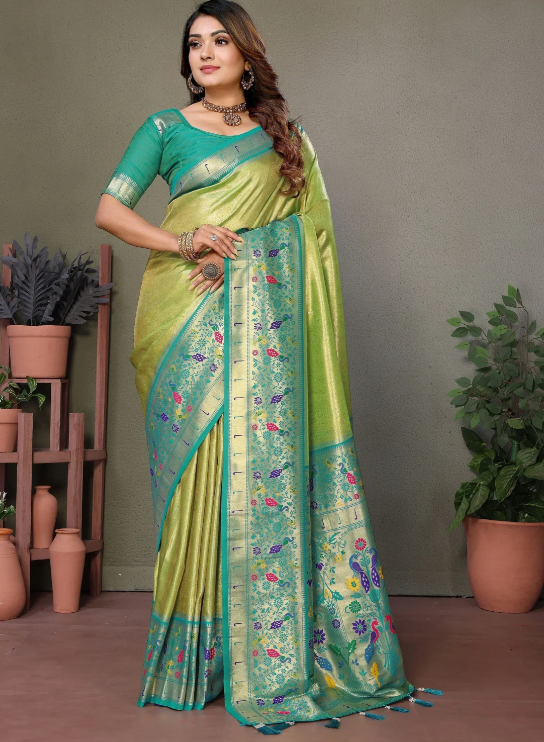
Linen alteration work extends well past men’s suiting, and a shop worth using should be just as comfortable with a linen dress, blazer, or jumpsuit as with a two-piece suit. Men and women alterations both require the same underlying care with the fabric, though the specific fixes differ: a linen dress often needs side-seam adjustments and lining work that a men’s jacket never touches, while a men’s linen blazer more commonly needs shoulder and sleeve corrections. A linen dress that needs a bustline adjustment calls for an entirely different approach than a men’s jacket that needs shoulder work, which is exactly why asking about a shop’s experience with both categories matters before booking anything. Bringing in a Derby outfit weeks rather than days before the event gives a shop enough runway to handle either category properly, especially during the busiest stretch of the season when linen pieces from an entire wardrobe often show up at once.
The Bottom Line
Linen rewards patience, both from the person wearing it and the shop altering it. A hurried process on a fabric this particular tends to show, while a shop that treats linen as genuinely different from wool usually turns out a piece that holds its shape through an entire humid Kentucky summer. That distinction matters just as much for a tailored dress as it does for a classic linen suit.