Some garments fade with passing trends, while others seem to grow more valued with time, carrying centuries of craftsmanship into every new generation that wears them. Few textiles embody this endurance as powerfully as the weave born in one of India’s oldest weaving cities.
The banarasi saree has remained a symbol of tradition and luxury for generations, admired not just for its beauty but for the skill and heritage embedded in every thread. Its continued relevance says as much about craftsmanship as it does about changing fashion sensibilities.
A Weaving Tradition Rooted in Centuries of History
Originating from Varanasi, one of India’s oldest continuously inhabited cities, this weaving tradition dates back centuries, shaped by generations of artisans who passed their techniques down through families rather than formal training institutions or modern apprenticeship programs.
This deep-rooted history gives the saree cultural significance beyond its visual appeal. Owning one often feels like owning a piece of living heritage, connected to a craft that has survived shifting fashions, changing economies, and generations of evolving taste and preference.
The Craftsmanship Behind Every Thread
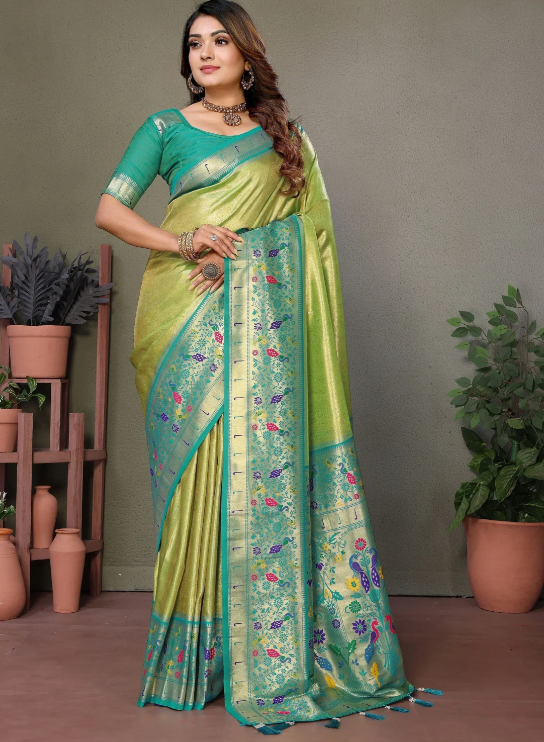
What distinguishes this saree most is its intricate zari work, woven using gold or silver threads that catch light differently depending on movement, angle, and the way the fabric falls when draped.
This craftsmanship requires exceptional skill, often taking weeks or even months to complete a single piece. Motifs frequently draw from Mughal-era design influences, including floral patterns, foliage, and intricate borders that reflect a fusion of Persian artistry and Indian textile tradition.
Why It Stands Apart Among Indian Sarees
Among the wider category of indian sarees, few carry the same weight of tradition or recognition across regions. While regional weaving styles vary dramatically across the country, this particular saree has achieved a level of prestige that transcends regional boundaries entirely.
It is frequently chosen for weddings, religious ceremonies, and milestone celebrations, valued not just for its beauty but for the sense of occasion and respect it carries whenever it is worn by a bride, mother, or honored guest.
Understanding the Different Weaving Styles
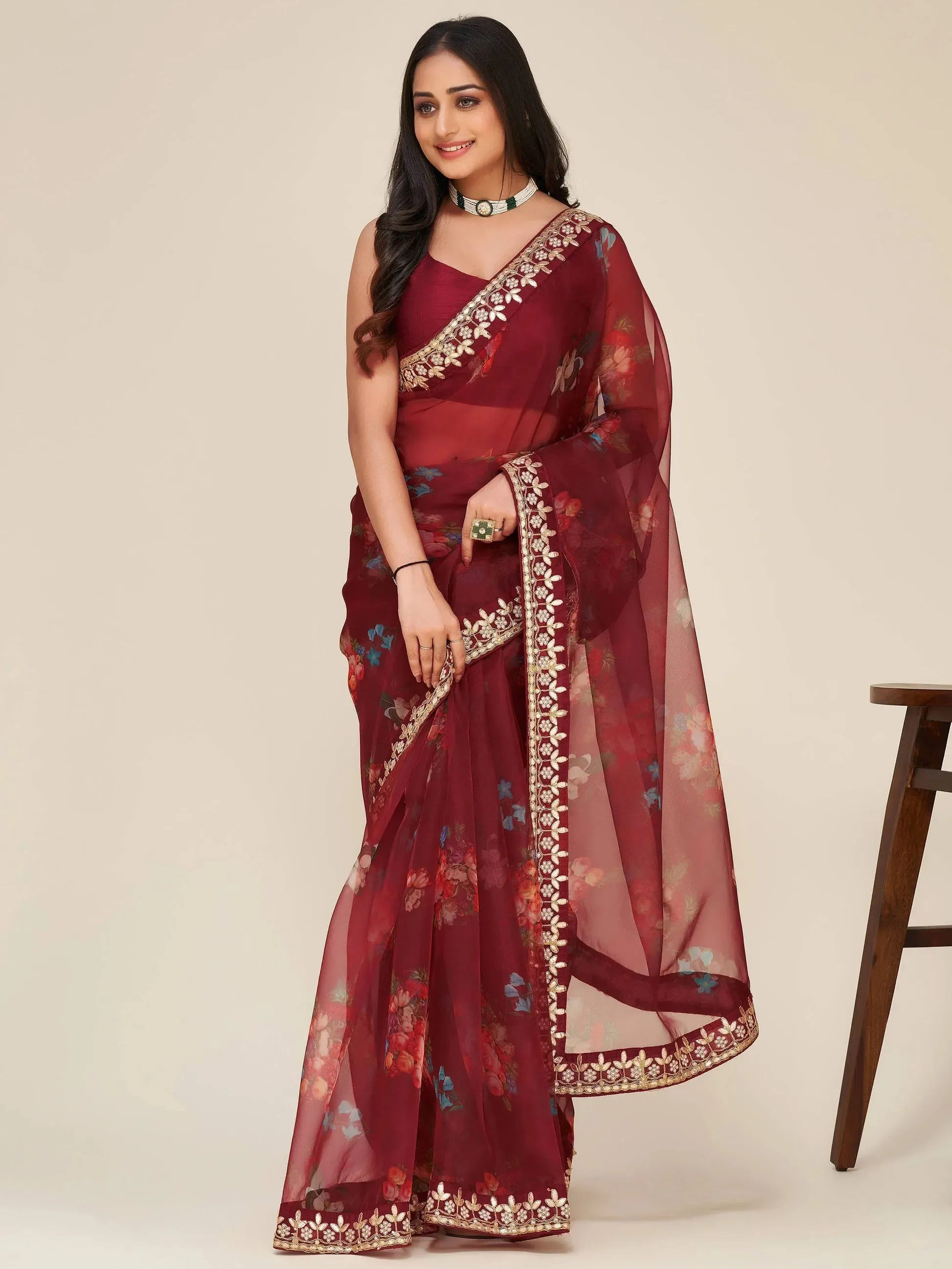
Not all banarasi sarees are alike, and understanding the different weaving styles helps buyers appreciate the craftsmanship behind each piece more fully before making a purchase decision for a special occasion.
Common variations include:
-
Katan silk for a pure, traditional finish
-
Organza for a lightweight, sheer drape
-
Georgette for softer, flowing movement
-
Shattir weave for intricate, detailed patterns
Each variation offers a distinct texture and drape, giving buyers meaningful choice within a single celebrated weaving tradition passed down through generations.
Why Authenticity Matters When Buying One
Because of the time and skill required to produce a single banarasi saree, authenticity matters significantly when purchasing one. Handwoven pieces differ noticeably from machine-made imitations in texture, weight, and the subtle irregularities that reveal genuine craftsmanship behind every finished piece.
Buyers who understand these differences often develop a deeper appreciation for the artisans behind each piece, recognizing that they are investing in generations of skill rather than simply purchasing fabric and thread for an event.
How This Timeless Weave Keeps Evolving
Despite being deeply rooted in tradition, the banarasi saree continues to evolve alongside contemporary fashion sensibilities, with designers experimenting with new color palettes, lighter weaves, and modern draping styles suited to younger buyers.
This evolution has helped the saree remain relevant among younger generations who might otherwise gravitate toward more casual or Western silhouettes, ensuring the craft continues finding new audiences rather than fading into ceremonial-only use over time.
Best Occasions to Wear a Banarasi Saree
Choosing the right occasion for a Banarasi saree often comes down to understanding its inherent formality and richness, which naturally suits celebratory events over everyday, casual wear.
It works particularly well for:
-
Weddings and engagement ceremonies
-
Festive occasions like Diwali or Durga Puja
-
Milestone anniversaries and family functions
-
Formal cultural or religious gatherings
Recognizing these natural occasions helps buyers get the most value and meaning from their investment in such a treasured piece.
Final Thoughts
The banarasi saree endures not because tradition resists change, but because its craftsmanship, symbolism, and beauty continue to resonate deeply across generations of wearers who value heritage alongside personal style and self-expression.
Among indian sarees, few carry the same combination of history, artistry, and emotional significance. As long as skilled artisans continue their craft, this weave will likely remain one of the most treasured pieces in Indian fashion for generations to come.